

I can’t remember exactly when I had my first cup of tea, but I suspect around the age of 11. My mum would always have a ‘pot on the go’, kept warm by a woollen brown and yellow tea cosy (a kind of insulated hat that keeps the tea warm for the uninitiated). That first brew was likely quite milky and sweetened —basically a good old fashioned British cuppa. So after a 25-year tea habit, one of my essential “moving to Switzerland” items was a big box of strong English breakfast tea.
But don’t let the name “English Breakfast” fool you, drinking it is definitely not confined to the first meal of the day. For us Brits, once that first cup has been consumed, it is fairly typical for us to sip a cup of tea at regular intervals all day long. In fact, every Brit drinks, on average, 8 cups a day! On the brilliant website tea.co.uk run by The United Kingdom Tea & Infusions Association (UKTIA to those in the know!), you can find a live ticker of estimated tea consumption on any one day. As I sit here writing, it is 9.20 pm in the UK, the total is over 90 million, and it is rising by about 1000 per second!
Us Brits Love Our Tea
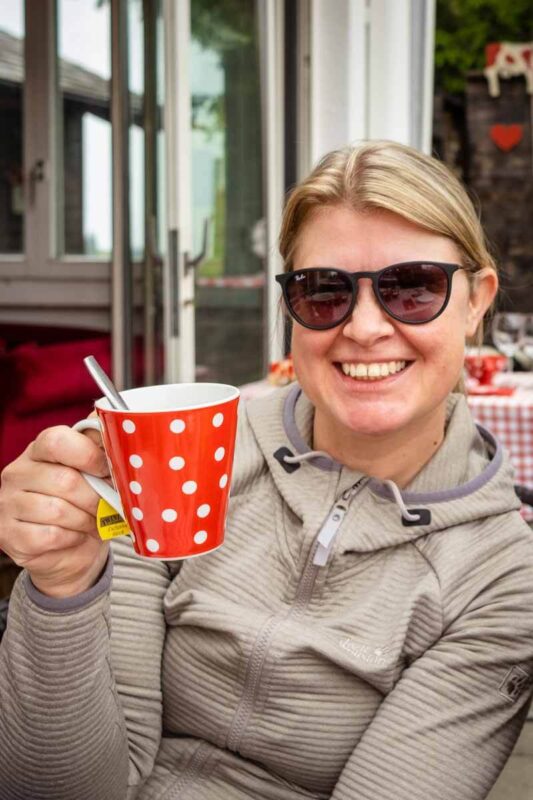
As you can probably guess, tea is somewhat of an institution in the UK, and I suspect the country would probably grind to a halt without it. Had a tough day at work? Flick the kettle on when you walk through the door – even before you take your coat off. Stumbling around the kitchen in your dressing gown first thing in the morning struggling to wake up? A cup of tea should be made and sipped before thinking about doing anything else. Having a piece of cake mid-afternoon? It would be rude to accompany it with anything other than a cup of Rosy Lee (the cockney rhyming slang for a cup of tea. “Rosy Lee, cup of tea”). Consoling a friend who is going through a rough time? A lovely cup of tea and a shoulder to cry on will make things seem so much better.
A Bit of Tea History
The Brit’s love affair with tea goes back a very long way – 350 years to the 17th century, when a young Portuguese princess and renowned tea addict, Catherine of Braganza, married Charles II and made drinking tea a fashionable pastime amongst royalty and the wealthy. Imported tea was incredibly expensive back then, but it didn’t take long for the middle and lower classes to develop a taste for it, thanks to an impressively extensive tea smuggling network. It is widely thought that more tea was actually smuggled across British borders than was legally imported!
In the 18th and 19th centuries, ‘afternoon tea’ and ‘high tea’ had become commonplace. The former being a formal soiree that included not only tea, but also small and dainty sandwiches and cakes, all served on the finest porcelain. The latter was more common amongst the working classes and was basically a substitute for dinner. To this day in the UK, the word ‘tea’ is still often used to describe the main evening meal. Churchill was apparently quoted as saying that tea was more important than ammunition during World War Two. There is no doubt that it was a significant contributor to national camaraderie and fighting spirit during those difficult years. So as you can see, its significance and importance reach far beyond being just a nice hot beverage.

But what about tea in Switzerland?
I had already been a tea drinker for 25 years when I moved to Switzerland, so it was vital to make sure I always have a steady and reliable supply. I stock up on trips back to the U.K., beg visiting family and friends to add a big box of English Breakfast to their suitcase, and quickly found a source where I could buy it locally should we ever encounter a dangerous code red low supply situation! Thank you Coop for stocking large boxes of PG Tips in your British section!
However, I discovered over the years that Switzerland is a land of tea-lovers too! Perhaps not the English breakfast ‘milk and two sugars’ kind but a vast array of local, international, fruit and herbal blends. I knew our wonderful z’Nüni community would be the best place to get all the answers about where to find the very best selection, and I was right!

Where to buy (and enjoy) Tea in Switzerland
- On a recent weekend in snowy Engelberg with the rest of the Z’nüni team, I stumbled across MyTeaShop as we wandered along Dorfstrasse. A veritable tea-lovers paradise! We had only been perusing the shelves for 2 minutes when a friendly member of staff brought us two steaming cups of one of their blends to sip whilst we shopped. Needless to say I did not leave empty-handed and now enjoy their pomegranate, pineapple and kombucha tea before bed.
- @asia.backwards recommends Langgasse Tee in Bern and adds that “their owners also have a small shop/cafe at their tea plantation on Monte Verita in Ascona”. Founded in 1983, this family business specialises in the centuries-old processes and traditions associated with tea. With a tea room, an extensive online store, tea workshops, and even organised Asia trips; there is no wonder that @livi_pfunzle describes them as “THE tea specialists!”
- @shogold15 says that Lemoncha is the “best tea bar!” In contrast, this company’s motto is ‘Tea, differently’ – they aim to reshape people’s perception of what tea is all about by constantly developing new and unusual blends such as tea-based mocktails, milk teas and the currently popular bubble tea varieties. They have three locations in Geneva, Lausanne and Nyon and a popular app that allows you to collect loyalty points and pay for purchases.
- The tea brand recommended by @zsuzsahi is (luckily for me) located here in Baselland. Gwürzegge in Therwil also sells a great variety of salts and spices, as well as having an online tea shop. You can also find them at many markets across Switzerland where they will give you recommendations and advice.
- Our final recommendation from @swissmrs73 is Teegarten in Kerns, Obwalden, where she loves going for fresh tea. This 20-year-old store is a tea-lovers paradise with shelves and shelves of neatly lined up metallic containers, reminiscent of an old fashioned sweetie shop, except rather than sweets, each one contains another delicious blend of tea to try. They opened a second location for the lucky people of Stans in August 2020.

Tea Brands to Enjoy in Switzerland
Some more excellent suggestions for teats to try in Switzerland from our community include:
- “I like Alpenkrauter tee” @swiss_eats
- “I LOVE Swiss Alpine Herbs. Their Alpenbriser tee is perfect to pair with cheese fondue!” @claudiabeatrice84
- “I love the herbal tea from the Val Poschiavo (Raselli) valley famous for its dried herbs” @kristin_reinhard
- “Nothing like Darjeeling tea or Indian masala Chai on a winter’s day” @swisspiapia
- “Try Turkish style home brewing with special kind of glass tea cup (not porcelain)” @burc_dkmn
- “Ronnenfeldt. Always and forever my favourites” @amandajoy_photography
- “Cupper orange/lemon and Pukka (favourite is blackcurrant) are also delicious” @swissmrs73
- “Jaya Ayurveda Teas by Prachi are SO good!” @aliciainswitzerland
- “I buy my tea in India – Darjeeling or Assam” @ujjainir
Whatever your preference, there is no denying the comforting feeling associated with brewing and drinking a cup of tea. So go ahead and make 2022 the year you try a new tea shop or blend and let me know what you think and if you discover any other great finds! I will never ever tire of talking about it, learning about it and above all, drinking it!


